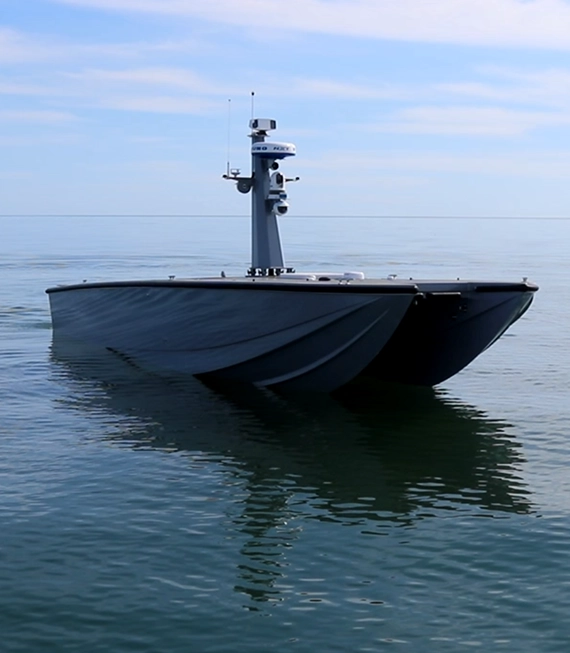
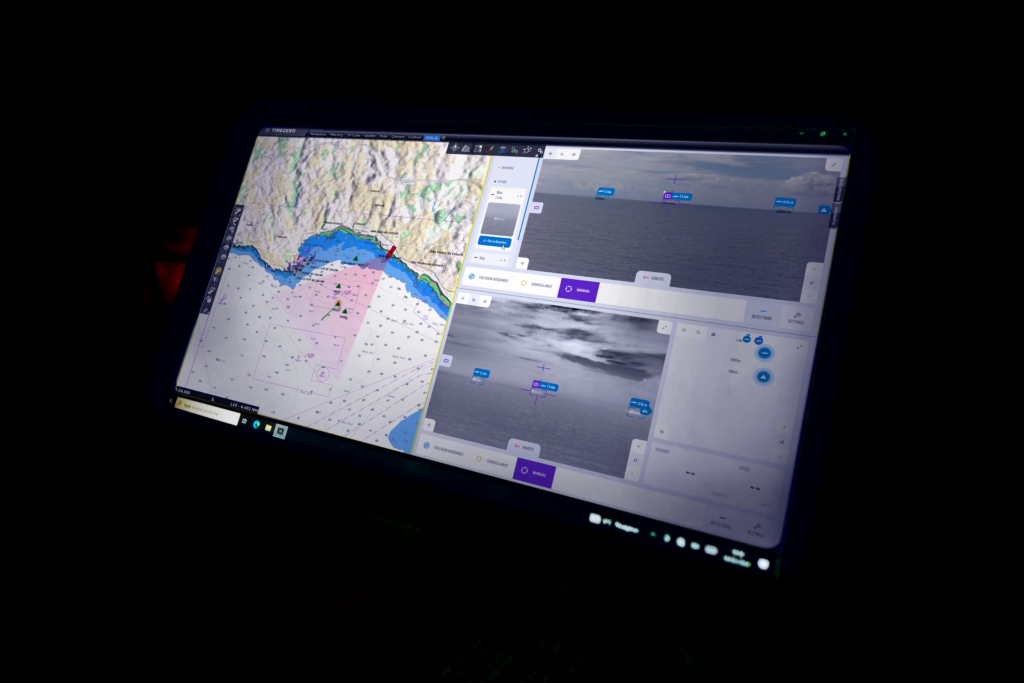
MARTAC has integrated SEA.AI maritime machine vision on its unmanned surface vessels (USVs). The system classifies vessels and objects in real time at the sensor, so a USV operating far beyond its operators’ line of sight gets usable situational awareness without anyone watching a video feed.
MARTAC, a Florida-based manufacturer of high-performance autonomous maritime platforms, selected SEA.AI as part of its sensor integration architecture. The integration covers ISR, security, and patrol mission profiles. SEA.AI announced the partnership with MARTAC on 13 October 2026.
Why radar and AIS leave a gap in maritime domain awareness
Radar resolves a contact’s position and radar cross-section, but not what the contact is. AIS is voluntary, routinely manipulated, and missing on any platform that chooses not to broadcast.
In today’s grey zone environment, these limits carry operational weight because threats are designed to exploit them: dark vessels, spoofed identities, and fast-attack craft that look like surrounding traffic until the moment they act.
How SEA.AI turns a camera feed into actionable information
Electro-optical and thermal cameras have long been part of maritime sensing. The weak point is what happens after the image is captured. On an autonomous platform, a conventional camera produces video, and that video is useless without an analyst watching it continuously.
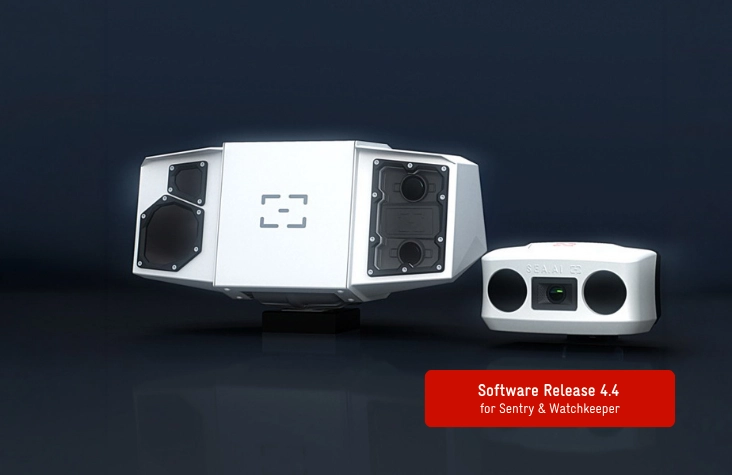
SEA.AI runs AI inference at the sensor level. Its electro-optical and thermal system classifies each contact in real time and outputs vessel or object type, heading, and proximity as actionable information, with no human review of imagery.
For a USV beyond visual range of its operators, this separates genuine situational awareness from a data stream nobody has time to interpret.
Built for missions beyond the operator's reach
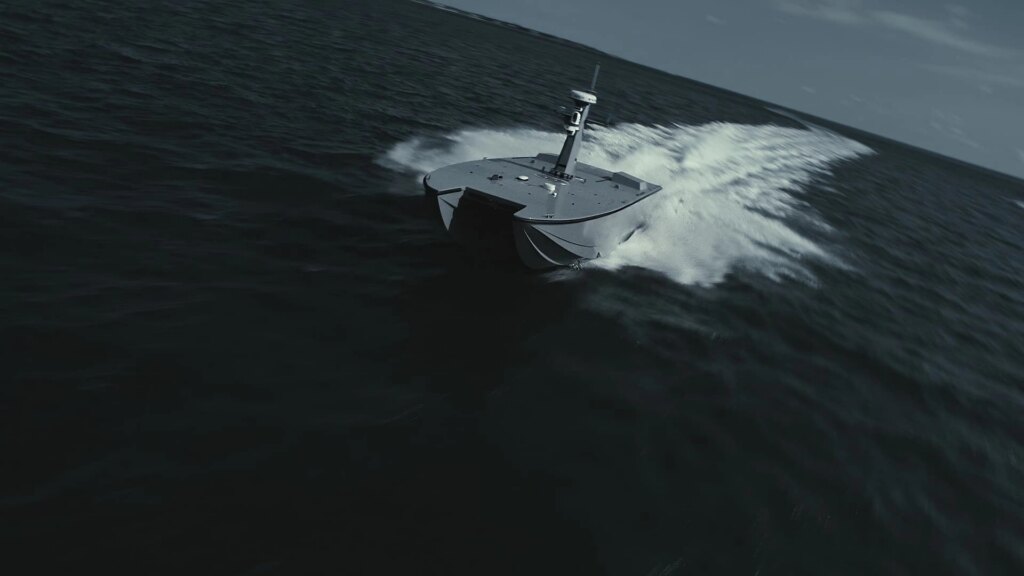
In May 2026, MARTAC’s T38 Devil Ray completed a record 8-day fully autonomous mission off the coast of California. It navigated multiple real surface contacts in open-ocean conditions, without crew or escort, more than 400 nautical miles from shore.
At that range and in Sea State 5 conditions, no remote operator can review imagery in time. The vessel has to detect and understand its environment on its own, and that is the capability SEA.AI brings.
SEA.AI machine vision, proven at sea since 2018
SEA.AI pioneered maritime machine vision in 2018. Its systems combine optical and thermal sensors with artificial intelligence to detect what radar and AIS often miss: persons overboard, marine mammals, unlit vessels, small craft, containers, semi-submerged logs, and other floating hazards, day and night, in real time.
The technology is built on more than eight years of real-world data gathered at sea. More than 1,300 systems are in service worldwide, across recreational, commercial, and security operations, at sea and from fixed installations.
FAQs
What is USV situational awareness?
USV situational awareness is an unmanned surface vessel’s ability to detect, identify, and track the contacts around it without a human in the loop. Radar and AIS give position and declared identity; SEA.AI machine vision adds what each contact is, its heading, and its proximity, in real time.
What is the SEA.AI and MARTAC partnership?
The SEA.AI and MARTAC partnership integrates SEA.AI maritime machine vision on MARTAC unmanned surface vessels. Announced on 13 October 2026, it adds real-time contact classification to MARTAC’s sensor integration architecture for ISR, security, and patrol missions.
What does SEA.AI add to MARTAC unmanned surface vessels?
SEA.AI adds autonomous visual intelligence. Its electro-optical and thermal system runs AI inference at the sensor and classifies contacts in real time, outputting vessel or object type, heading, and proximity instead of raw video.
Why do USVs need machine vision if they already carry radar and AIS?
USVs need machine vision because radar and AIS miss key threats. Radar does not identify what a contact is, and AIS is voluntary and easy to switch off or spoof. Dark vessels and fast-attack craft exploit both gaps.