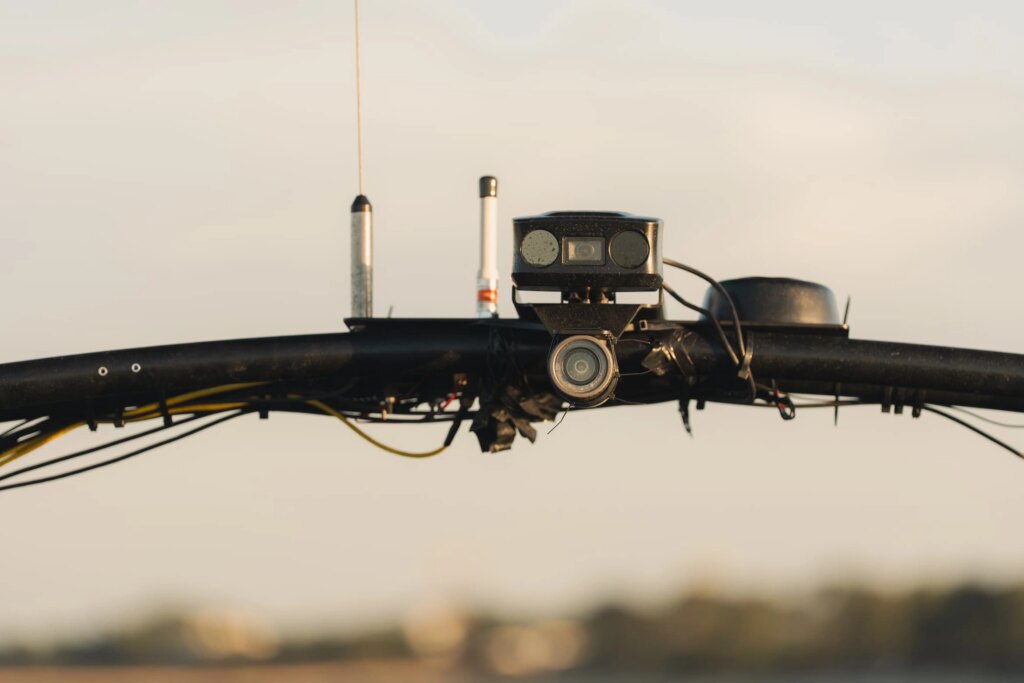
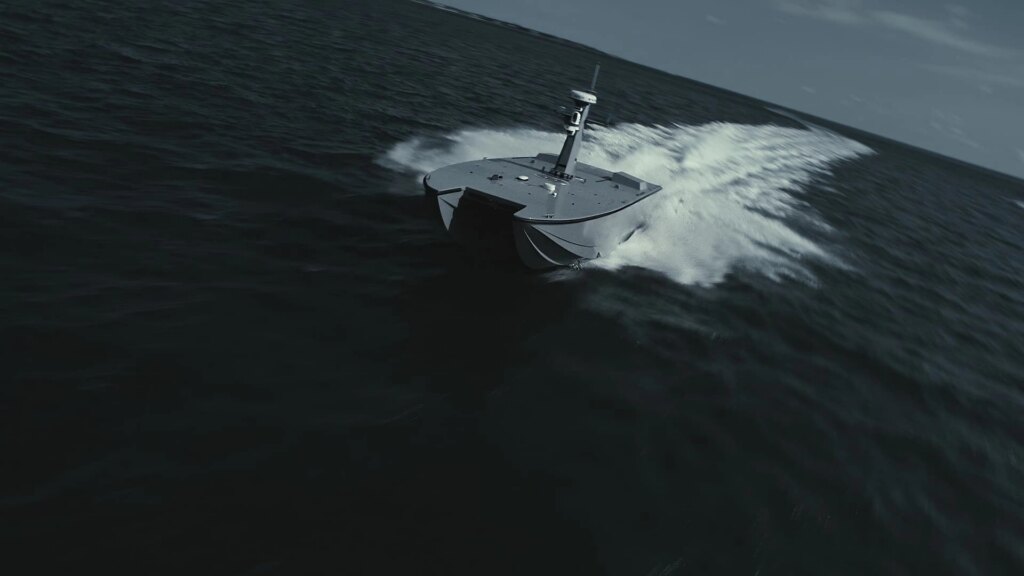
SEA.AI integrated and field-tested its machine-vision technology across several crewed and uncrewed vessel platforms at REPMUS 2026, the Portuguese Navy’s 16th annual exercise for maritime uncrewed systems, held from 31 August to 25 September in Tróia and Sesimbra and bringing together 36 nations.
The deployment was SEA.AI’s broadest multi-platform integration in a defence context to date and evaluated how camera-based detection could strengthen situational awareness for both crews and autonomous systems.
Rather than treating machine vision as an accessory for a single autonomy system, SEA.AI is demonstrated it as a common perception layer that can support different vessels, missions and operators.
Adding sight to maritime situational awareness
Radar can alert an operator that something is nearby, but active radar also emits a signal. In contested waters, that emission can be detected, tracked, disrupted or jammed.
Satellite navigation carries a different vulnerability: GNSS spoofing, a documented and growing problem in regions including the Baltic and Black Seas, can feed an uncrewed vessel false position or timing data without the platform necessarily recognising the deception. AIS inherits part of that vulnerability because it relies on GNSS-derived position and timing information.
None of this makes radar, AIS or satellite navigation less essential. It does, however, show why no single sensor should be expected to provide the complete picture. A passive machine vision system adds an independent source of information by analysing what its cameras can actually see, including small or unlit craft, floating objects and people in the water.
SEA.AI developed its technology in offshore sailing, where vessels travel at speed through remote waters and crews cannot assume that every hazard will transmit a signal or produce a reliable radar return. Since 2018, the company has trained its detection system on real-world maritime imagery gathered across ocean racing, recreational boating and commercial shipping.
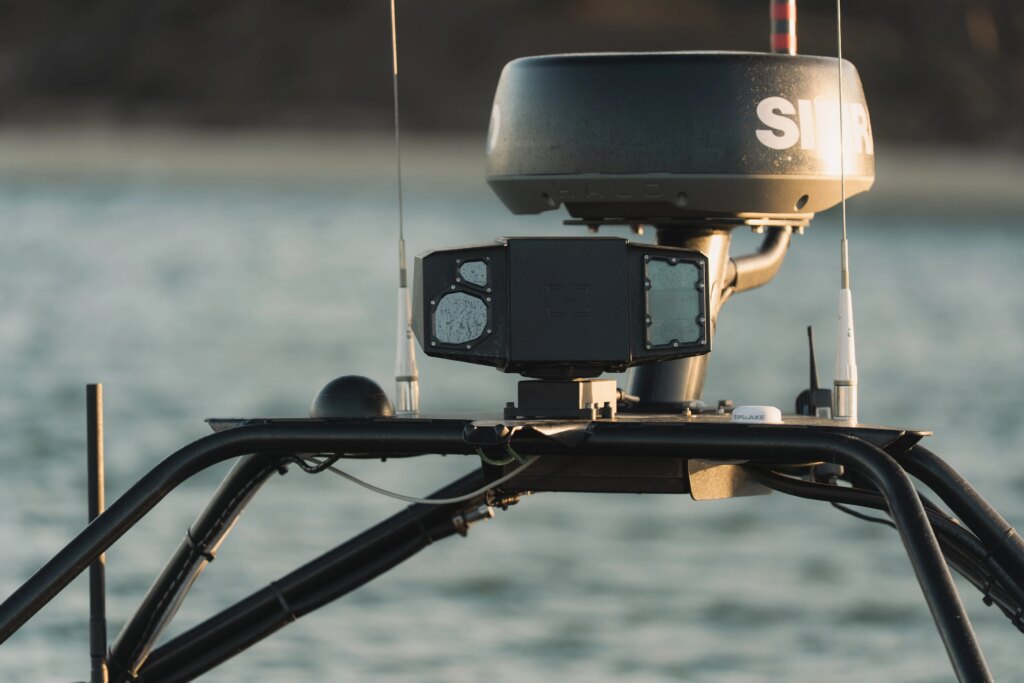
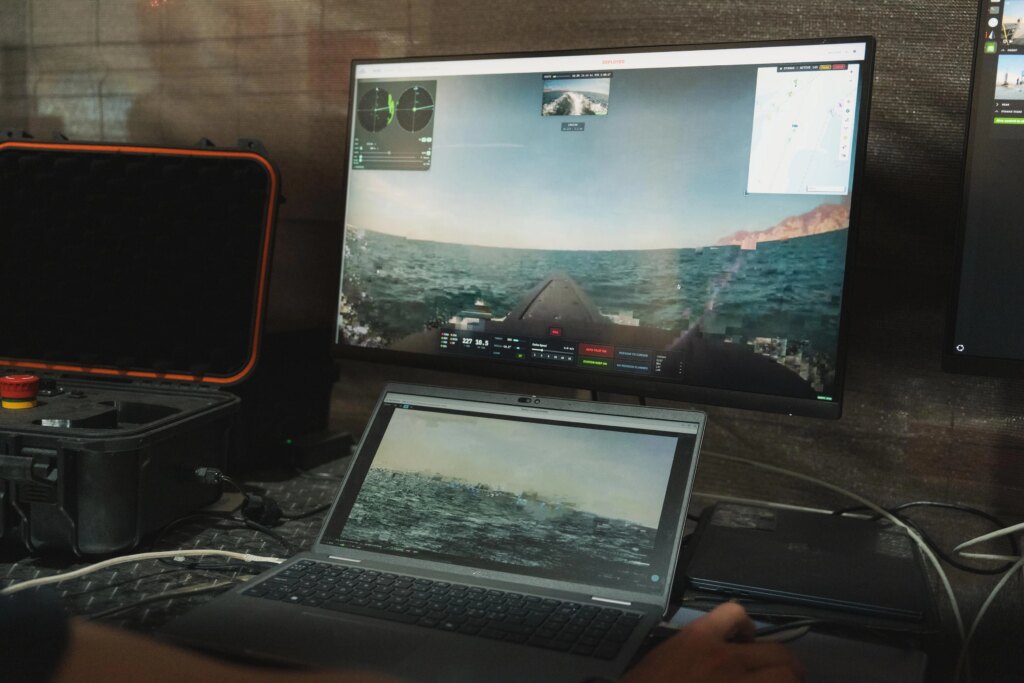
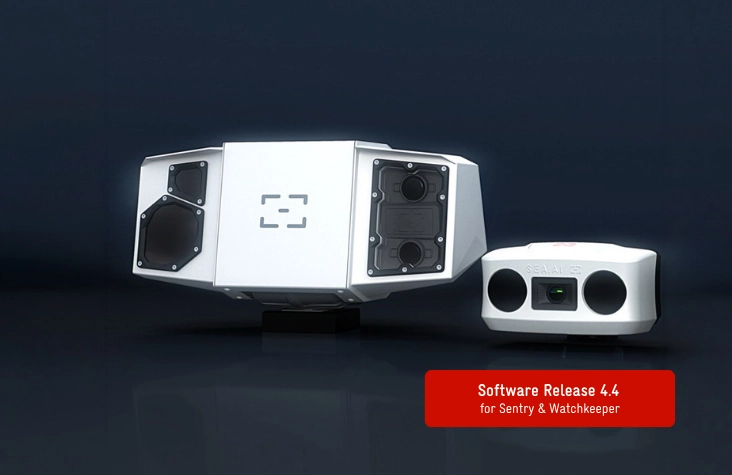
At REPMUS, the same detection core turned live camera feeds into information that participating platforms and operators could use. The system is designed to identify and classify relevant objects on and above the water, adding context to the data available from other sensors.
One perception layer, different platforms
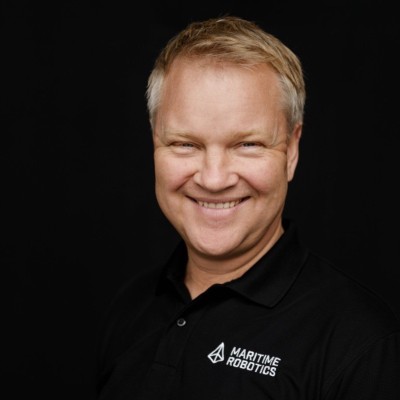
SEA.AI worked with several partners and USV manufacturers during the exercise, including Maritime Robotics, a manufacturer of uncrewed surface vessels and autonomous navigation systems for coastal and open-ocean operations.
Testing interoperability in real conditions
REPMUS brings together navies, technology companies and research organisations to test maritime autonomous systems in a live operational environment. A central objective is interoperability: ensuring that systems developed by different manufacturers and nations can exchange information and work together under realistic conditions.
SEA.AI’s participation applied that principle to perception. Because the same machine-vision layer supported several vessel types and autonomy architectures, it could reduce duplicated development while giving operators a more consistent view of the environment around each platform.
FAQs
What is REPMUS 2026?
REPMUS 2026 (Robotic Experimentation and Prototyping using Maritime Unmanned Systems) is the Portuguese Navy’s 16th annual exercise for testing maritime drones, autonomy, and multi-domain unmanned systems, held with NATO and international partners from 31 August to 25 September 2026 in Tróia and Sesimbra.
What did SEA.AI test at REPMUS 2026?
SEA.AI tested its machine-vision technology as a shared perception layer across several crewed and uncrewed surface vessels from Maritime Robotics, SYOS Aerospace, Polar Mist Technologies, and the Portuguese Navy.
Why is machine vision useful for uncrewed surface vessels?
Machine vision is passive: it emits no signal and does not depend on GNSS. It gives USVs an independent way to detect small or unlit craft, floating objects, and people in the water, complementing radar and AIS.
Does machine vision replace radar and AIS on USVs?
No. SEA.AI machine vision adds an independent layer to radar, AIS, and satellite navigation, which remain essential sensors.
Which SEA.AI product did Polar Mist Technologies integrate?
SEA.AI worked with several partners and USV manufacturers at REPMUS 2026, including Maritime Robotics, SYOS Aerospace (SM300 USVs), Polar Mist Technologies (SEA.AI Sentry integration), and the Portuguese Navy (USV Shiver).
Each partner integrated SEA.AI machine vision on uncrewed surface vessels with different hulls, autonomy systems, and mission profiles.