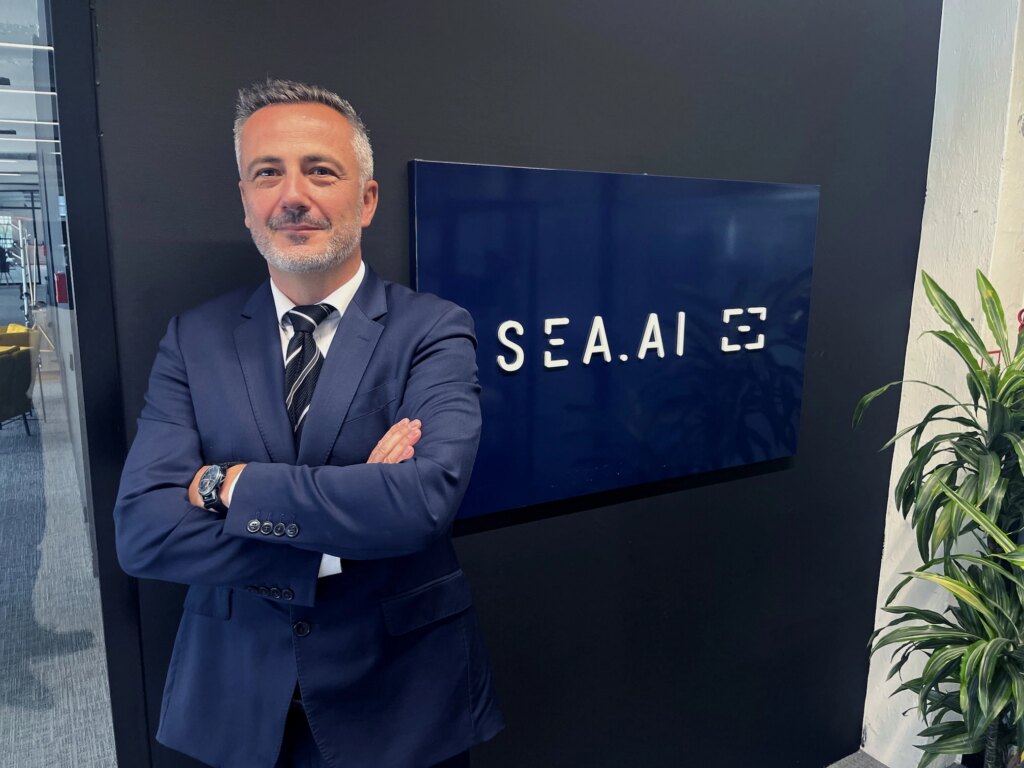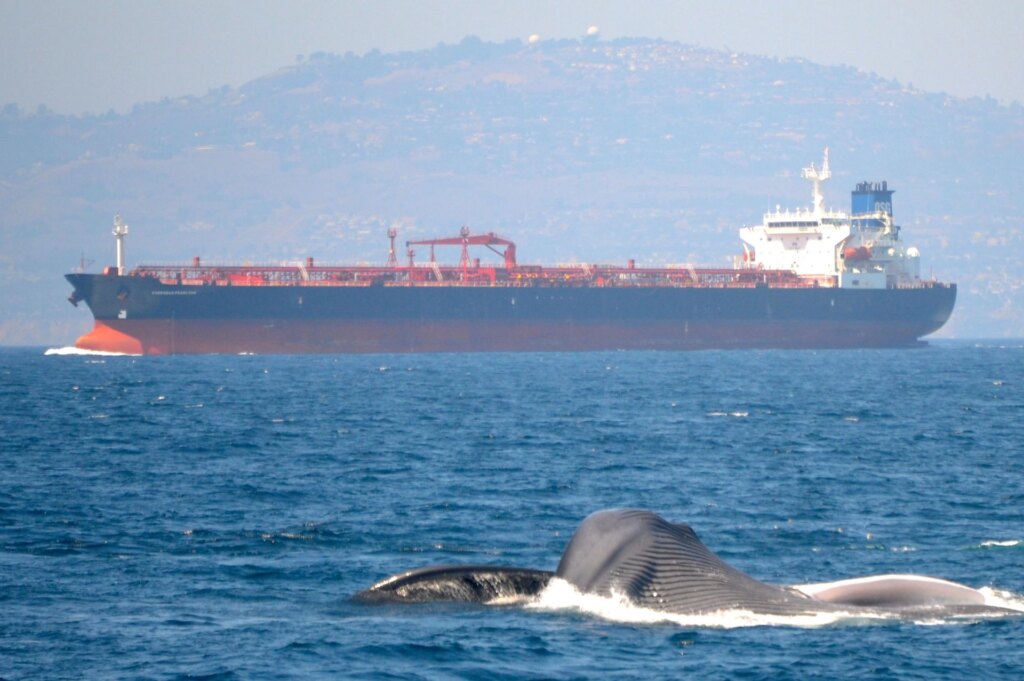
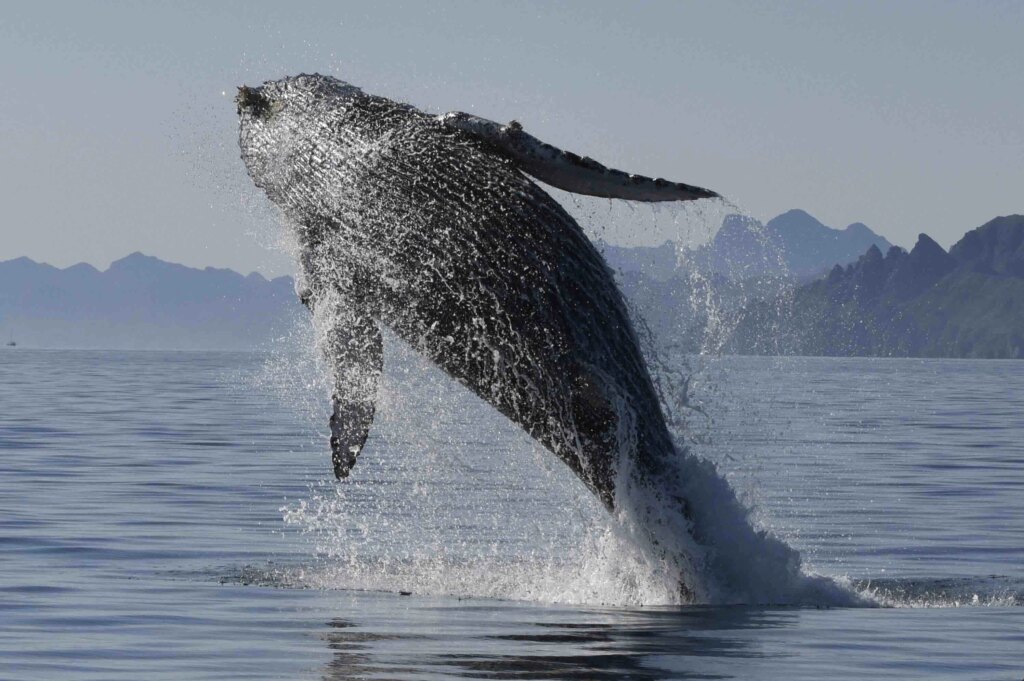
"Ocean conservation has always been close to my heart, and one of the reasons I joined this adventure back in 2018. We know we cannot prevent every encounter between vessels and whales, and we can only detect what reaches the surface. But technology can meaningfully reduce the risk, and that is a responsibility we take seriously. We are thrilled to join the community of Whale Guardians."
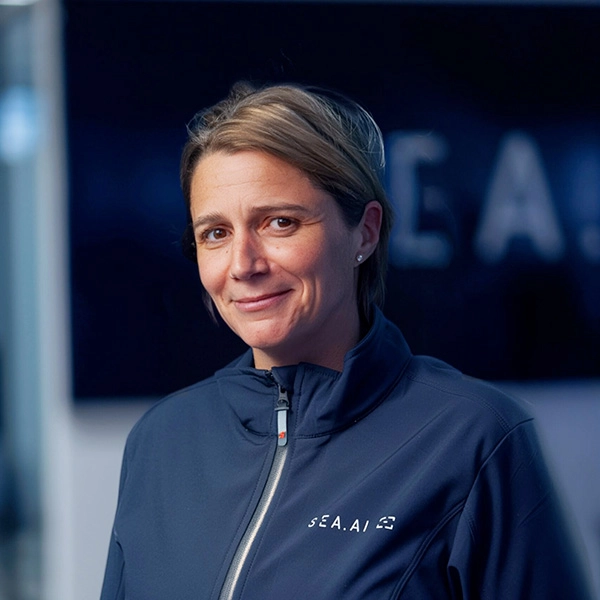
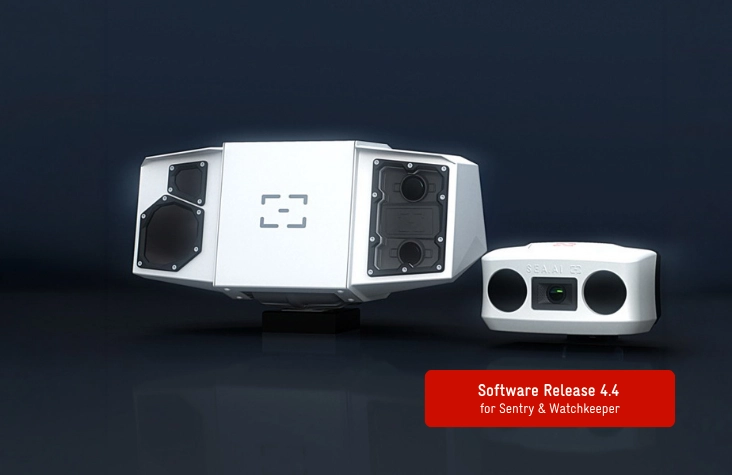
"We need innovators at the table. The data that vessels equipped with SEA.AI collect at sea, the thermal detections, the surface sightings in real conditions, that is exactly the kind of input that sharpens our understanding of where and when whales are most at risk. This partnership is a step toward smarter, more connected protection."

"Data driven routing recommendations delivered prior to a vessel's journey that increase whale safety and well-being while respecting the shipping industry's need for efficiency are the hallmarks of Whale Guardian's program. SEA.AI's complimentary approach lies within real-time detection, enabling response of individual vessels at the moment of encounter. It's an innovative leap forward that we are proud to engage in a supportive collaboration with."
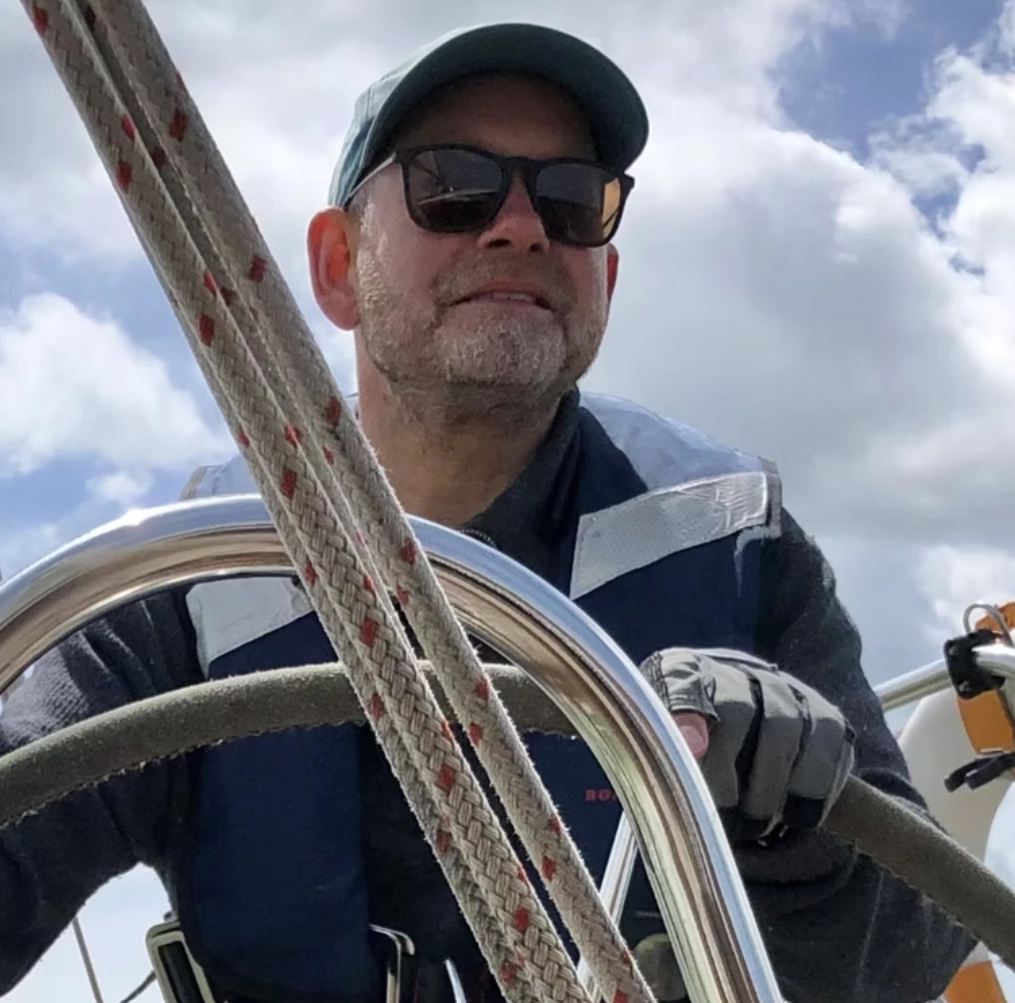
“As ocean conditions shift, whales appear to be redistributing to more favorable feeding areas. Therefore conservation strategies must adapt to dynamic ecosystems and a constant influx of reliable & recent data is needed. In this aspect, SEA.AI and Whale Guardians are perfect partners. Where Whale Guardians focuses on voyage optimization based on seasonal whale presence near ports, SEA.AI can provide insights in areas where there is currently no data and alert the crew with real time sightings.”