USD

Contact Us

SEA.AI Wins a 2026 Ocean Innovation Award for Maritime Computer Vision

SEA.AI, the maritime computer vision pioneer, wins a 2026 Ocean Innovation Award for safer navigation, surveillance and marine life protection.

SEA.AI, a maritime computer vision company founded in Brittany in 2018, is one of five winners of the 2026 Ocean Innovation Awards, organised by Crédit Maritime Grand Ouest. The award recognises SEA.AI’s AI-based detection technology for safer navigation, maritime surveillance and marine life protection.

SEA.AI at the Trophées Innovation Océan 2026

What are the Ocean Innovation Awards?

The Ocean Innovation Awards are a national competition launched in 2018 by Crédit Maritime Grand Ouest. They recognise companies developing innovative solutions for a more sustainable maritime economy.

The eighth edition took place at the Palais du Grand Large in Saint-Malo, days before the start of the Route du Rhum – Destination Guadeloupe. It also marked Crédit Maritime’s 120th anniversary and drew more than 63 project submissions. Five winners were selected on innovation, economic potential and environmental impact.

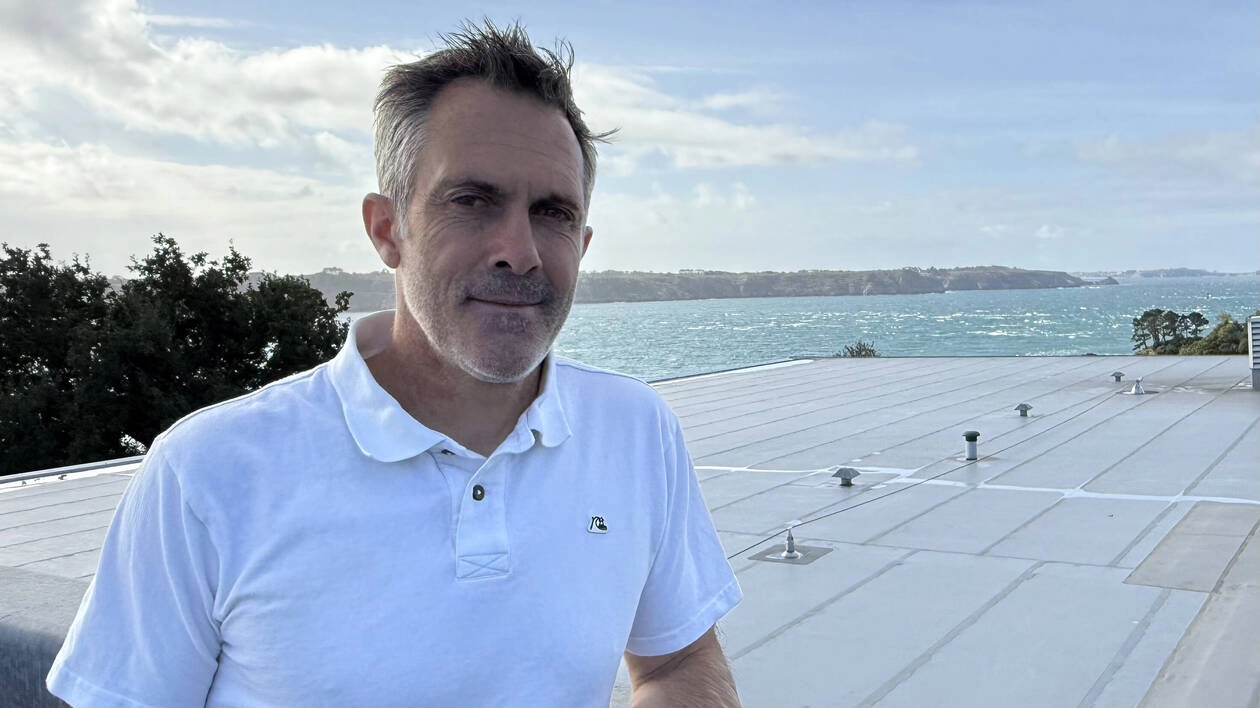
“SEA.AI perfectly embodies the spirit of the Ocean Innovation Awards: an innovation born out of a real-world need, developed in our region and now providing solutions to some of the maritime sector’s greatest challenges. Recognising these companies also means encouraging those who dare to turn their ideas into practical solutions for the future of our oceans.”

Why did SEA.AI win?

The award recognises an innovation that addresses three major challenges in the maritime sector:

  • Safety at sea: detecting hazards early to prevent collisions.
  • Maritime surveillance: vessel detection and tracking, coastal monitoring.
  • Marine life protection: detecting marine mammals at the surface.
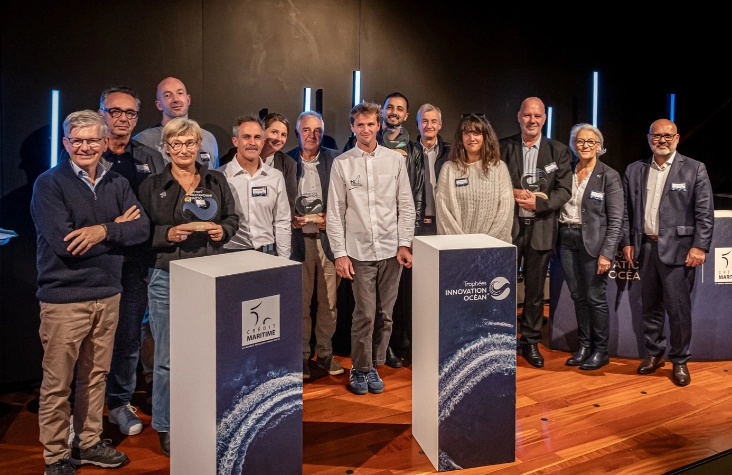
SEA.AI's team receiving the award

From offshore racing to worldwide use

SEA.AI’s history is closely linked to offshore racing. From 2018, the company worked with offshore racing teams and renowned skippers to develop artificial intelligence that detects what the human eye, radar and AIS can sometimes miss. Its algorithms were trained on millions of data points collected at sea, sometimes in extreme conditions.

Today the technology serves offshore racing, recreational boating, commercial maritime operations, search and rescue, and maritime surveillance.

“Our original goal was simple: to give navigators a second pair of eyes to anticipate collisions and protect both vessels and their crews. We were fortunate to work with exceptional sailors who helped us test and refine this technology in the most demanding conditions.”

How does SEA.AI’s technology work?

SEA.AI combines optical cameras, thermal sensors and onboard artificial intelligence. The system detects and classifies objects on the water’s surface in real time, day and night.

It detects:

  • People overboard
  • Small craft
  • Floating objects
  • Marine mammals at the surface

It adds a layer of vigilance on board and complements radar and AIS.

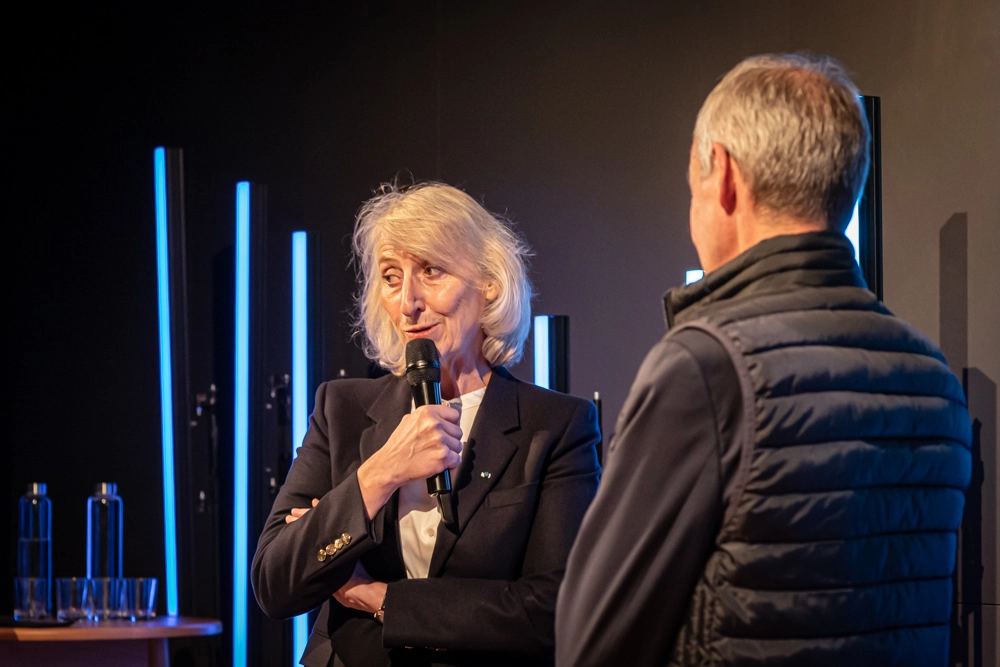
Catherine Chabaud

Real-world impact

Feedback from users shows the human value of the technology:

  • Rescue crews rely on SEA.AI to help locate people overboard.
  • A catamaran owner avoided two teenagers swimming at night in a harbour.
  • Detection of a vessel carrying around 15 migrants helped prevent a collision and enabled assistance to be provided.
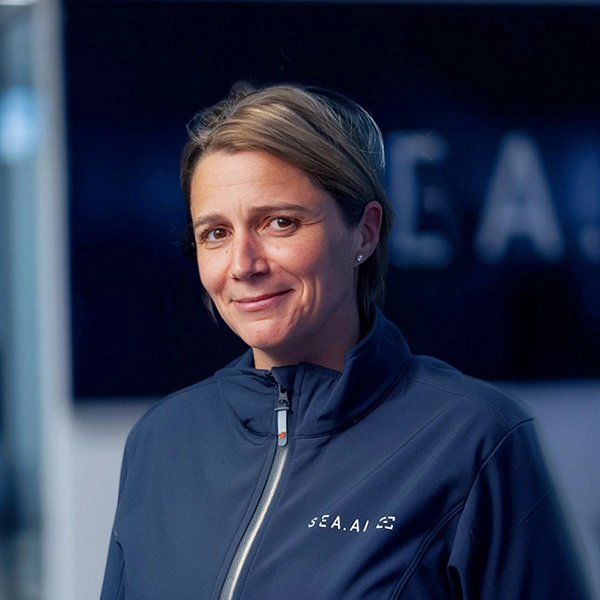
“My father wanted to protect boats and skippers. I also wanted to help protect whales. Today, when we hear from users who have been able to avoid an accident or assist people at sea thanks to our technology, we can appreciate how far we have come.”
A collective achievement

The award also recognises a team effort that began eight years ago, when the maritime potential of AI was still largely unexplored. SEA.AI thanks the Brittany Regional Council, Bpifrance, the maritime competitiveness clusters and all its partners for their support.

“Brittany has outstanding maritime, scientific and industrial expertise. At Pôle Mer Bretagne Atlantique, our role is to foster these collaborations and support companies that turn innovation into practical solutions.”
What is next for SEA.AI?

SEA.AI aims to accelerate the adoption of computer vision by shipbuilders, maritime professionals and organisations involved in maritime safety and surveillance. The goal is to make computer vision standard safety equipment on board vessels, alongside radar and AIS, and an indispensable component of maritime surveillance systems.