EUR

Contact Us

One sailor, one boat, a second lookout: SEA.AI at the Rhum.

Eight years of collaboration with offshore racers have helped shape SEA.AI's machine vision technology, now contributing to maritime safety far beyond competitive sailing.
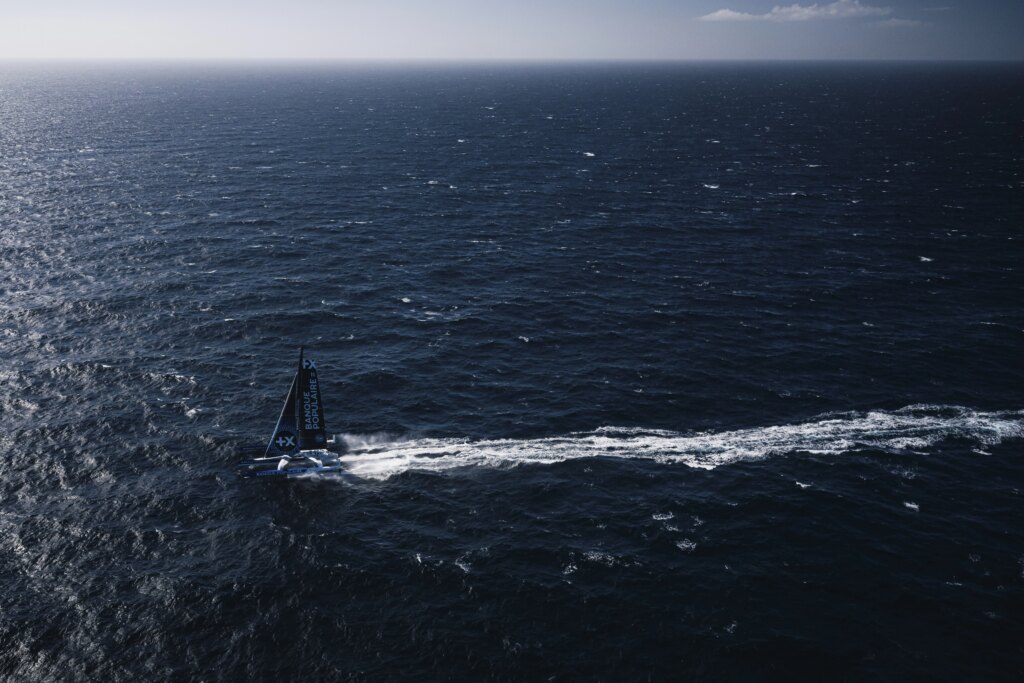
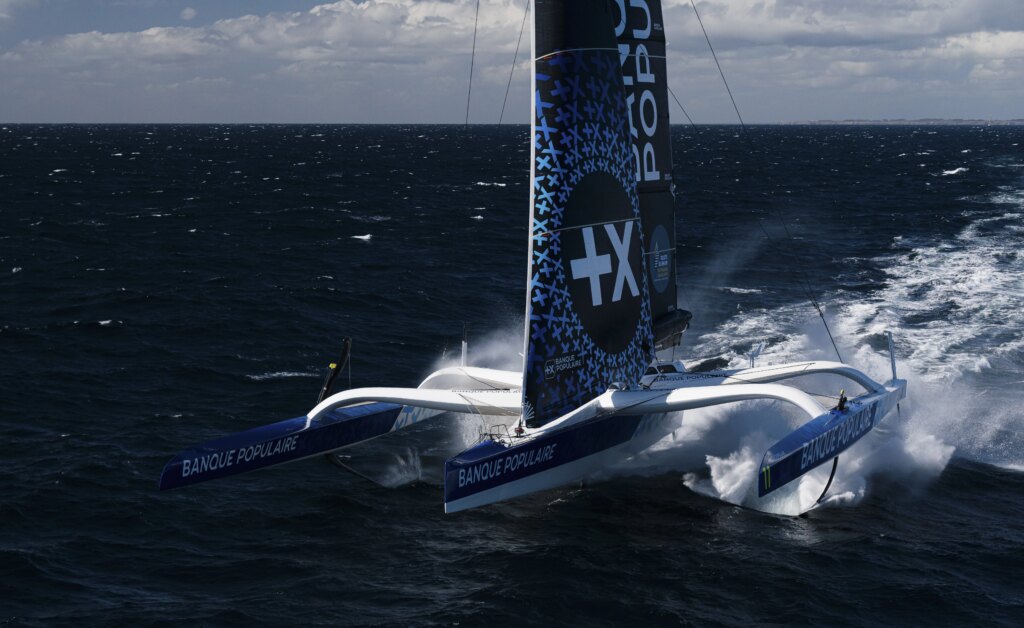
©BPCE_Vincent Curutchet
On 1 November, some of the world’s leading offshore sailors will set off from Saint-Malo for Pointe-à-Pitre in the 13th Route du Rhum, Destination Guadeloupe. Among them, more than 20 boats across the ULTIM and IMOCA fleets will be equipped with SEA.AI, an AI-powered machine vision system designed to detect hazards on the water that conventional navigation systems and human eyes may miss. 

For these sailors, every second counts. Racing alone across 3,542 nautical miles, they must manage navigation, weather, sail changes, technical problems and precious moments of sleep, while maintaining awareness of what lies ahead. 

At high speeds, particularly at night, an undetected floating object or an unlit vessel can turn a race into a dangerous situation within seconds. 

That’s where SEA.AI comes in, providing an additional layer of vigilance to help skippers detect potential collision hazards and make better-informed decisions. 

Offshore racing: where it all began

SEA.AI’s relationship with offshore racing goes far beyond supplying equipment to professional sailors. Since 2018, ocean racing teams have played an instrumental role in the development of its maritime machine vision technology, helping transform an innovative concept into a solution tested in some of the most demanding conditions at sea. From the outset, offshore racing imposed strict technical requirements: compact and lightweight equipment, minimal power consumption, reliable detection and an intuitive interface that would not add to a skipper’s workload. 

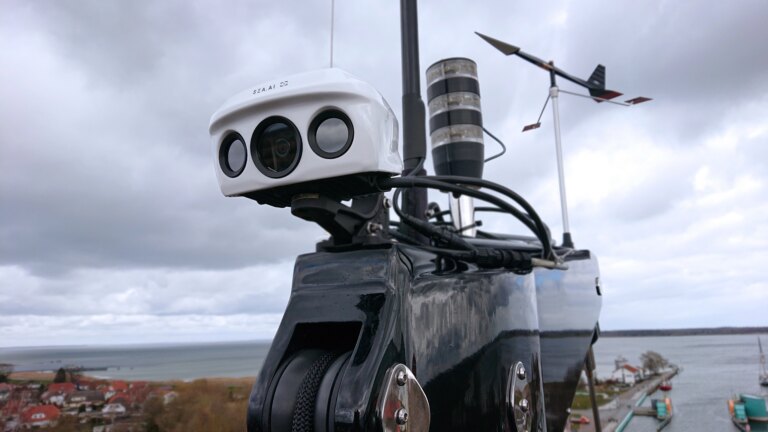
©SEA.AI Competition

But perhaps the most valuable contribution came from the ocean itself. Thousands of nautical miles sailed by racing teams provided SEA.AI engineers with real-world maritime imagery captured in darkness, heavy seas, spray, reflections, changing light and challenging weather conditions. These images helped train and continuously improve the company’s AI algorithms, teaching the system to distinguish genuine objects and hazards from waves, whitecaps and other visual interference, while reducing false alarms. 

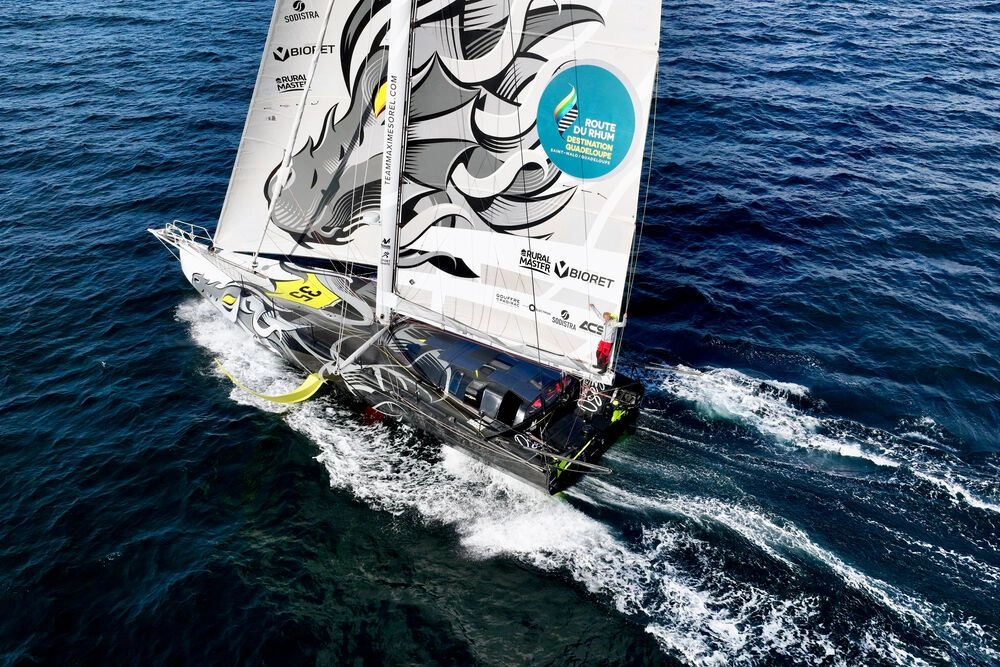
©Falcone Production - Maxime Sorel - IMOCA 35
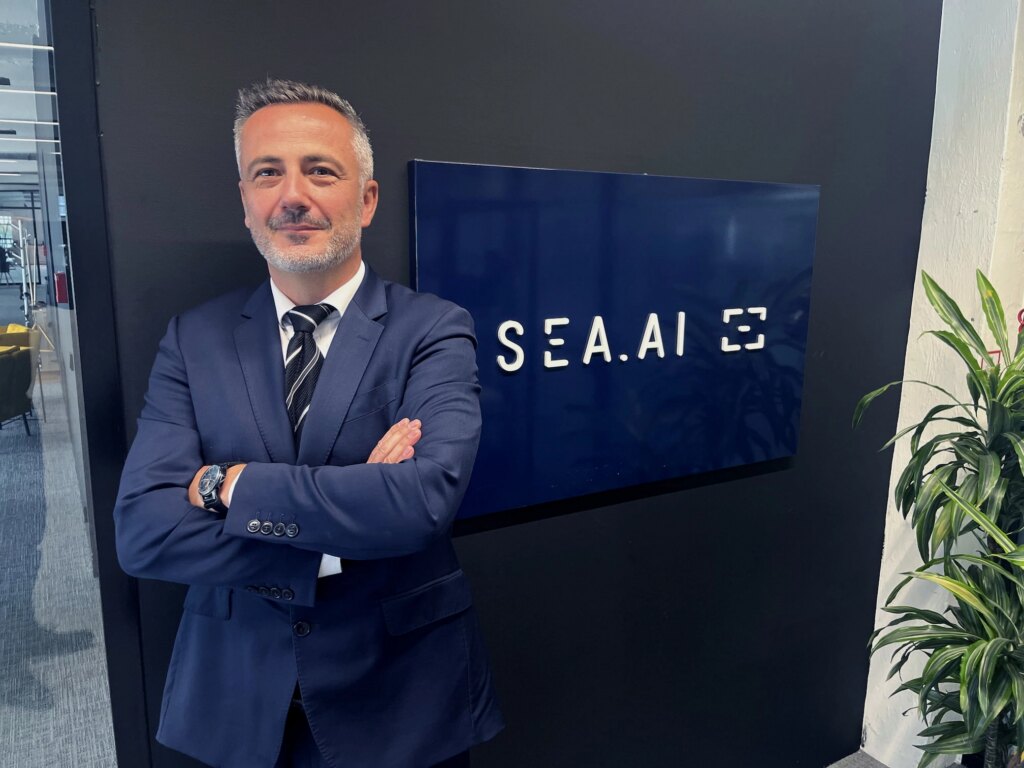
“Offshore skippers weren't simply our first users. They helped us build the technology. By taking our early systems into conditions no laboratory could recreate, they provided invaluable real-world data that helped us build our datasets and develop our machine vision algorithms. Eight years later, that same technology is helping cruising families navigate more safely, professional crews avoid collisions, and rescue teams detect people in the water. Ultimately, it's about saving lives at sea. That's something we can all be proud of.”
A second lookout for solo sailors

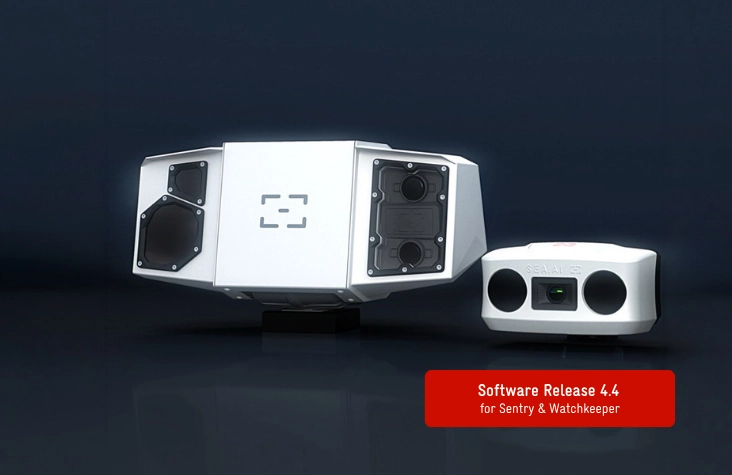
For solo ocean racers, maintaining a constant lookout while navigating, managing the boat and finding time to rest is one of the greatest challenges of offshore sailing. Combining optical and thermal cameras with artificial intelligence, SEA.AI continuously analyses the sea surface, detecting and classifying potential hazards day and night. Complementing radar and AIS, the technology provides an additional layer of vigilance, helping skippers maintain situational awareness when their attention is needed elsewhere.
©BPCE_Vincent Curutchet
But beyond the technology, what does having a second lookout really mean to those racing alone across the Atlantic? 
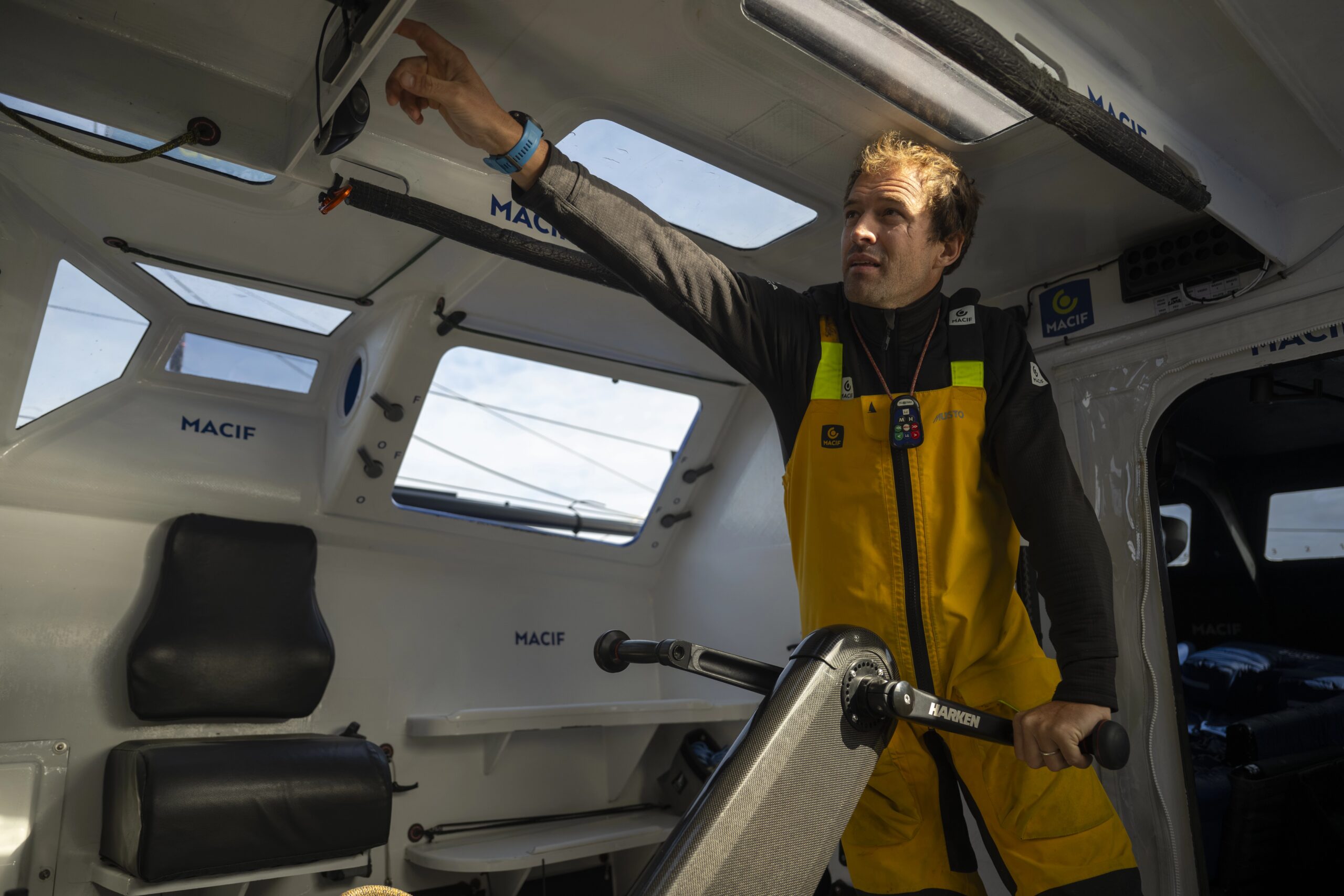
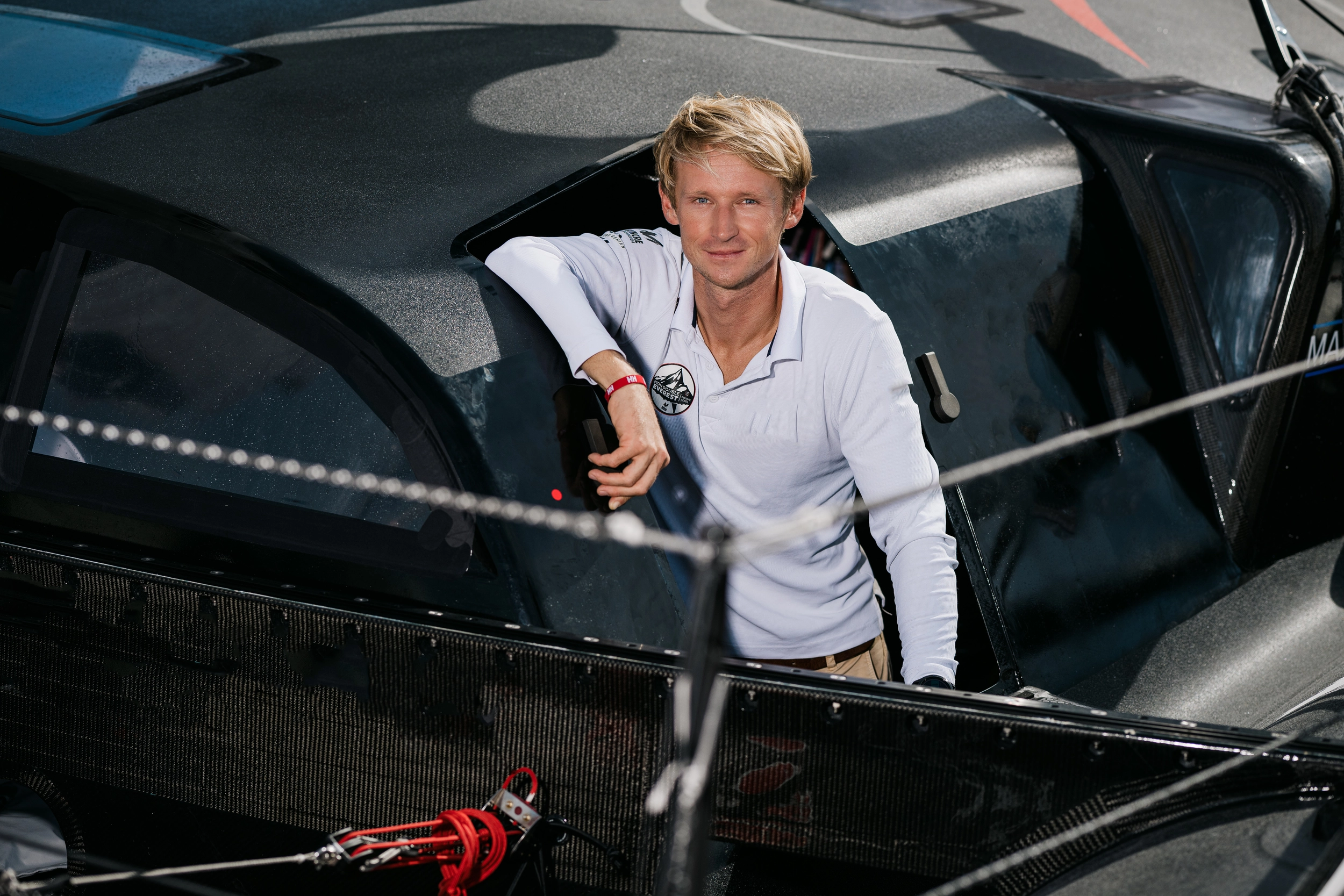
Ahead of the Route du Rhum, Armel Le Cléac'h, Sam Goodchild and Maxime Sorel draw on years of sailing with SEA.AI to share real-life experiences of how the technology has helped them navigate more safely. 
“We were on the delivery trip back from a race, a few days after leaving the Caribbean. We were sailing as a crew and not keeping a constant lookout, when SEA.AI sounded the alarm. It was a life raft that had broken loose from a cargo ship and was drifting in the middle of nowhere. It passed within a few dozen metres of the boat. Without SEA.AI, we could have hit it.”
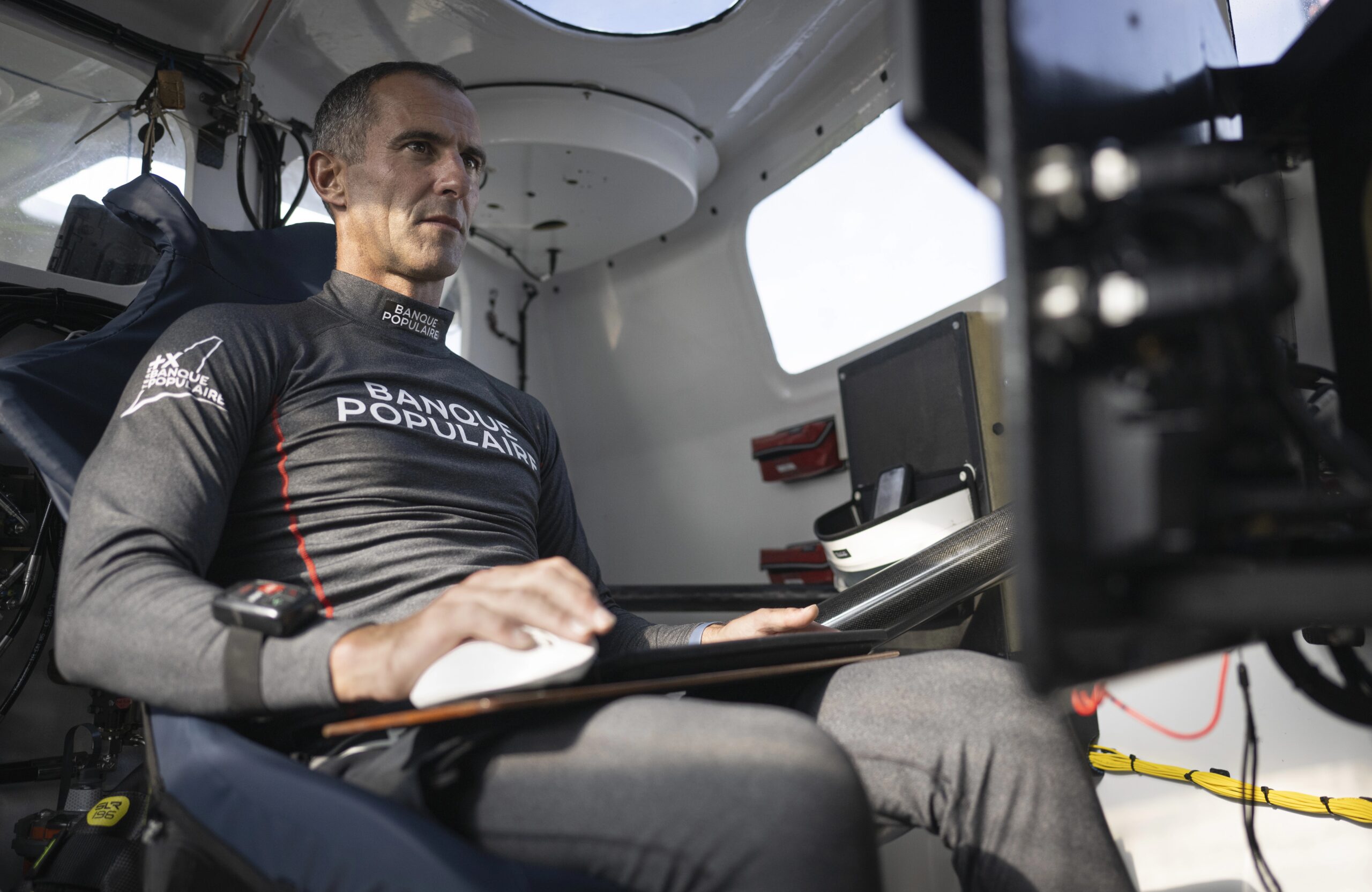
"When you're sailing solo, you're constantly juggling navigation, sail changes, weather analysis and trying to get some rest. You simply can't have your eyes on the horizon all the time. Knowing there's a system helping you keep watch gives you that extra bit of confidence when you're out there on your own. Regularly during training SEA.AI alerts us of fishing vessels with no AIS system along the Brittany coast. Thanks to the early warnings and confidence in the system we train with our enclosed cockpits much more reassuringly."
“Keeping watch is a real issue when you sail solo: there’s no teammate to keep a lookout. SEA.AI detects objects by their temperature difference, sounds an alarm and tells us which way they are moving. It’s a bit like the solo sailor’s eyes while sleeping. We’ve been using it since the first versions in 2019. It really saved me along the coast of Brazil, where small fishing boats often have no lights and no AIS. It was broad daylight, the sea was rough, and the boat was tiny and low in the water. Without SEA.AI, I would have hit it. At 500 metres, I was able to react and change course.”
From ocean racing to maritime safety worldwide

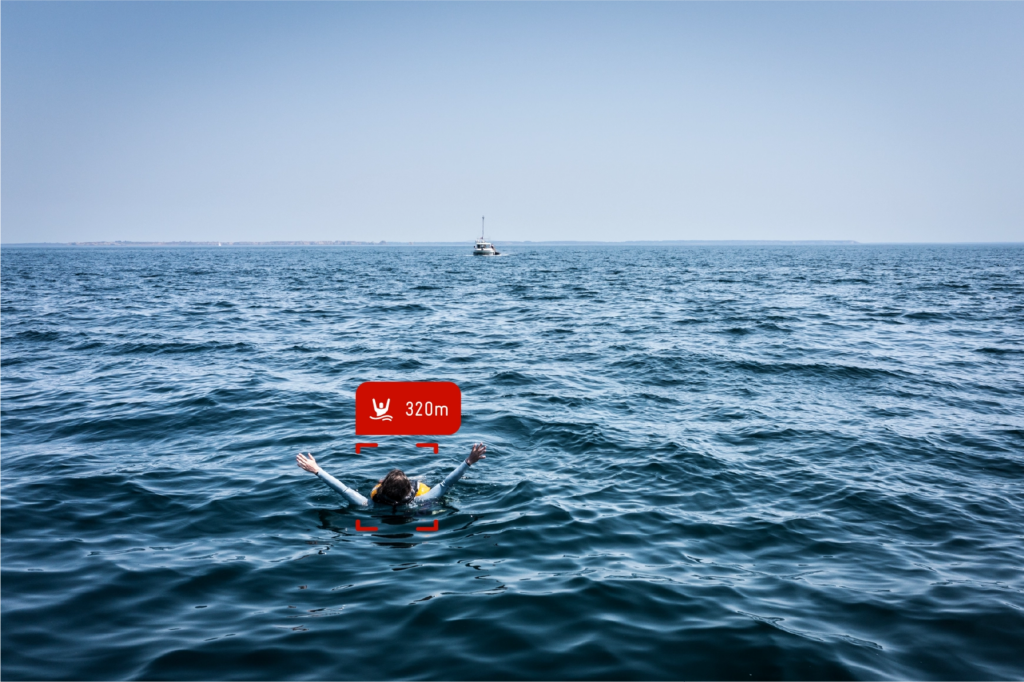
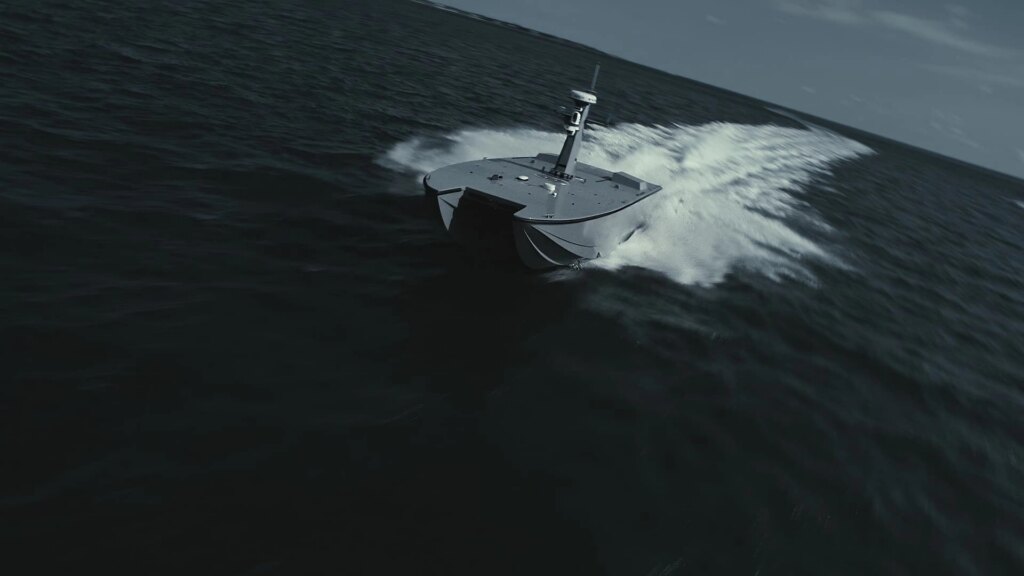
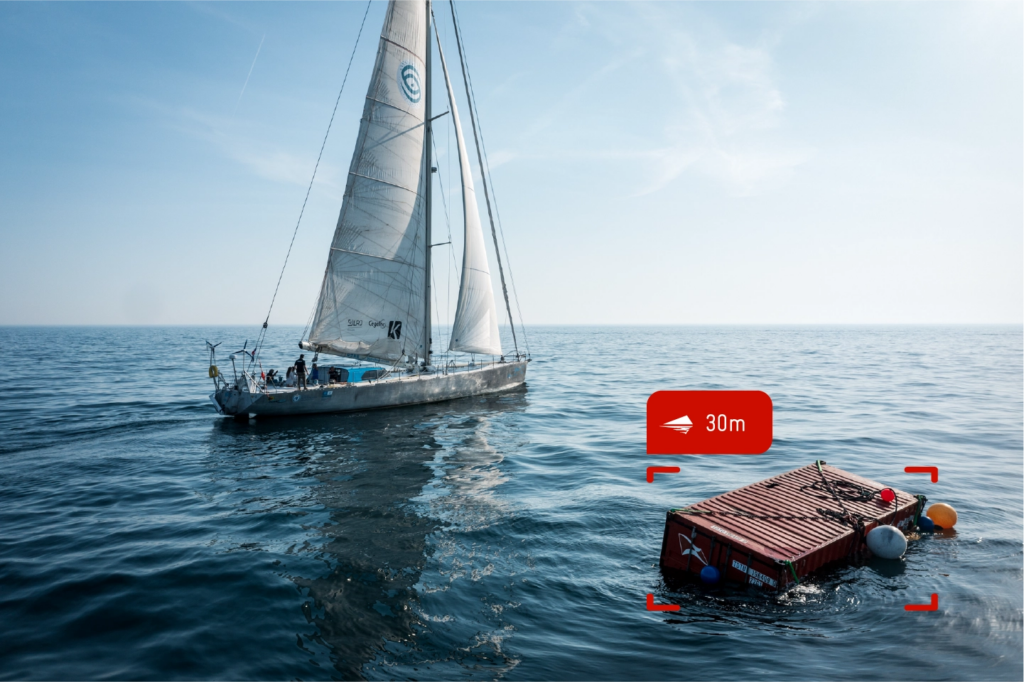
What began as a technology developed alongside offshore racing teams has grown into a solution serving an increasingly diverse maritime community. Today, SEA.AI systems are deployed across vessels and maritime infrastructures, supporting recreational sailors, commercial operators, search and rescue crews, maritime surveillance operations and unmanned surface vessels. 

The challenges may differ, but the principle remains the same: helping crews and operators detect what they might otherwise miss, particularly beyond the capabilities of conventional sensors. 

The demanding environment of offshore racing continues to contribute to SEA.AI’s development, pushing the technology forward as racing yachts become faster, systems evolve and new challenges emerge.

From the world’s most demanding ocean races to everyday navigation and maritime operations, SEA.AI continues to pursue the mission that inspired its development: saving lives at sea.