Home » SEA.AI Machine Vision in Detecting the Unseen
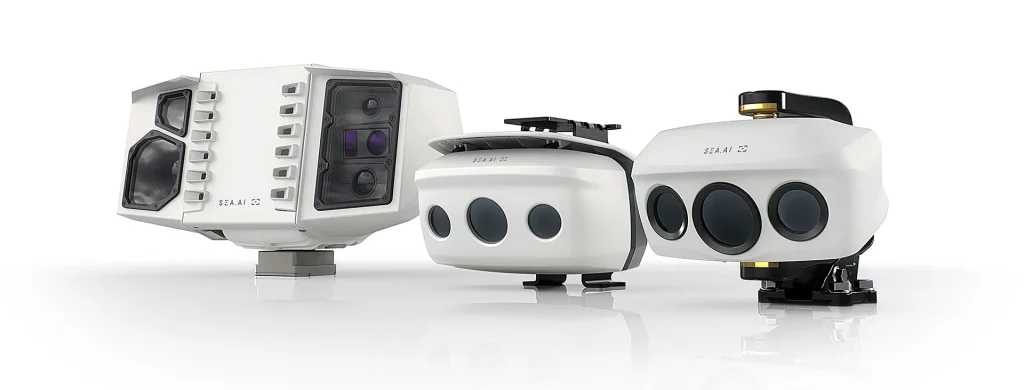
SEA.AI detects and classifies objects, including those that escape conventional systems such as Radar or AIS. The addition of SEA.AI systems enhance maritime situational awareness, acting as a formidable ally to the capabilities of these established technologies.
With RADAR & AIS systems already on board, can the installation of a SEA.AI machine vision system benefit to the safety of the vessel and its crew?
Automatic Identification System
AIS systems are mandatory for vessels exceeding 300 gross registered tons, transmitting data from vessels fitted with an AIS transceiver. However, its limitations become apparent when it comes to collision protection, as malfunctions or shutdowns may compromise its effectiveness. Smaller ships, which are not mandated to have AIS transceivers, further contribute to gaps in coverage.
SEA.AI steps in to address these deficiencies, offering an independent and robust target identification system that does not rely on other boats systems to be installed or working, but simply detect what can be seen on the water, whatever the size, shape and type of floating hazard.
RADAR also encounters limits as its detection rate diminishes with the wave height and for objects that do not adequately reflect radar signals. This limitation may lead to the oversight of any partially submerged obstruction floating on the surface like a container or a wooden log, small leisure crafts (i.e. SUPs, kayaks, dinghies, small wooden fishing boats), or vessels that intentionally evade RADAR surveillance. These non-detections pose a potential threat to navigational safety and represent a significant challenge in maritime surveillance efforts.
In response, the integration of SEA.AI machine vision detection systems emerge as a strategic solution, providing many technical advantages.
While RADAR and AIS primarily offer position and velocity information, SEA.AI machine vision cameras go beyond by offering detailed visual imagery, aiding in surveillance, monitoring, and faster responses. Offering a more comprehensive understanding of the target’s characteristics proves invaluable for tasks like search and rescue operations.
The combination of RADAR, AIS and SEA.AI detection systems significantly improve the strengths of these 3 technologies by providing a more accurate understanding of the environment and by improving detection capabilities to enhance maritime security.