Polarfront: From Meteorological Pioneer to Arctic Expedition Marvel with Latitude Blanche
Harnessing Rare Data to Enhance Polar Security and Protect Marine Life
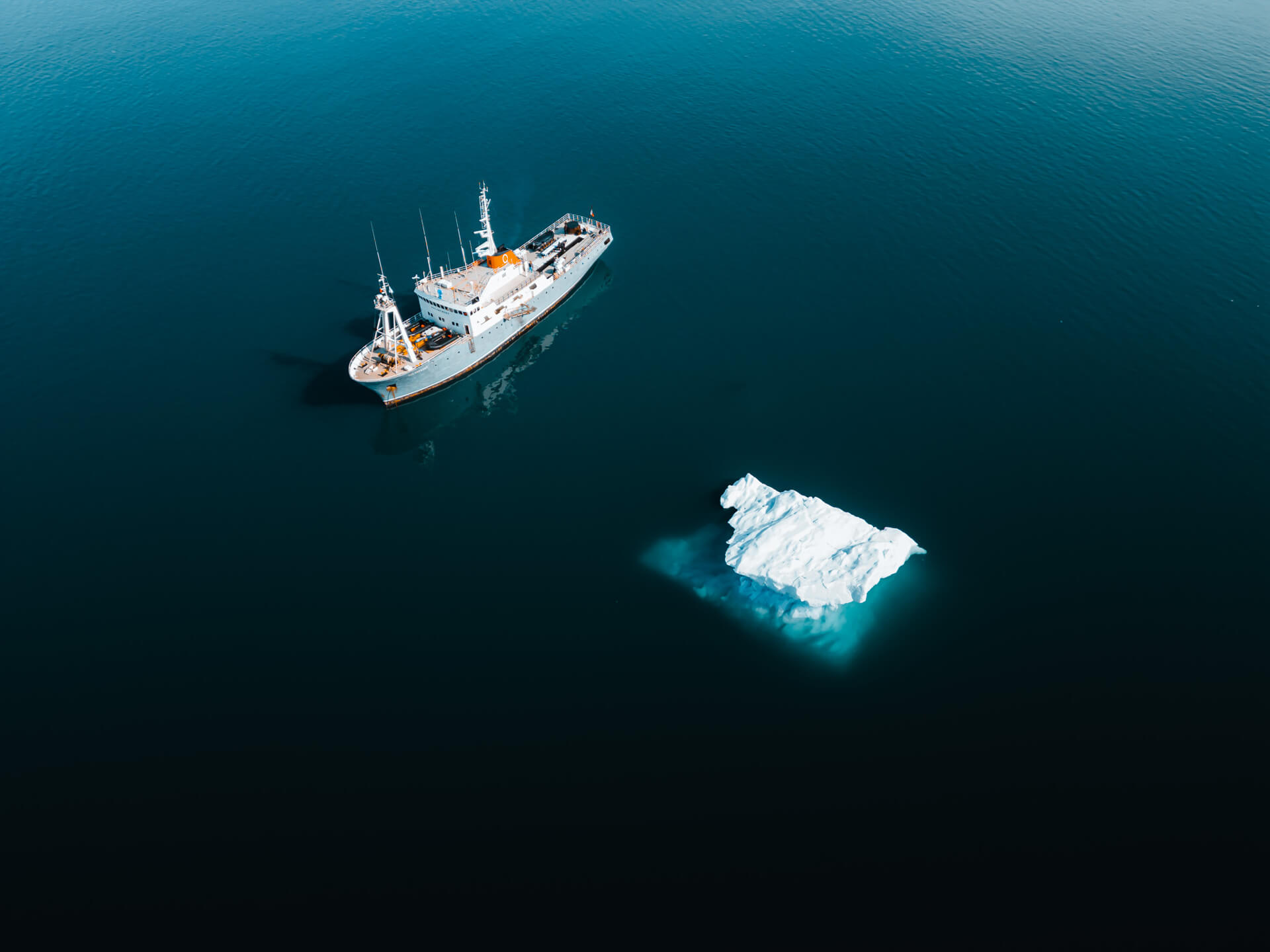
The polar region is a fascinating but challenging environment, where the protection of endangered marine mammals is crucial, and the presence of icebergs can be hazardous for navigation. To enhance ship safety and preserve cetaceans, SEA.AI and Latitude Blanche have joined forces to collect exceptionally rare and unprecedented data from polar regions. These extraordinary data sets will significantly improve the performance and accuracy of all SEA.AI systems. The ultimate objective is to empower ships to effectively detect and avoid floating objects, including cetaceans and icebergs, with greater efficiency.
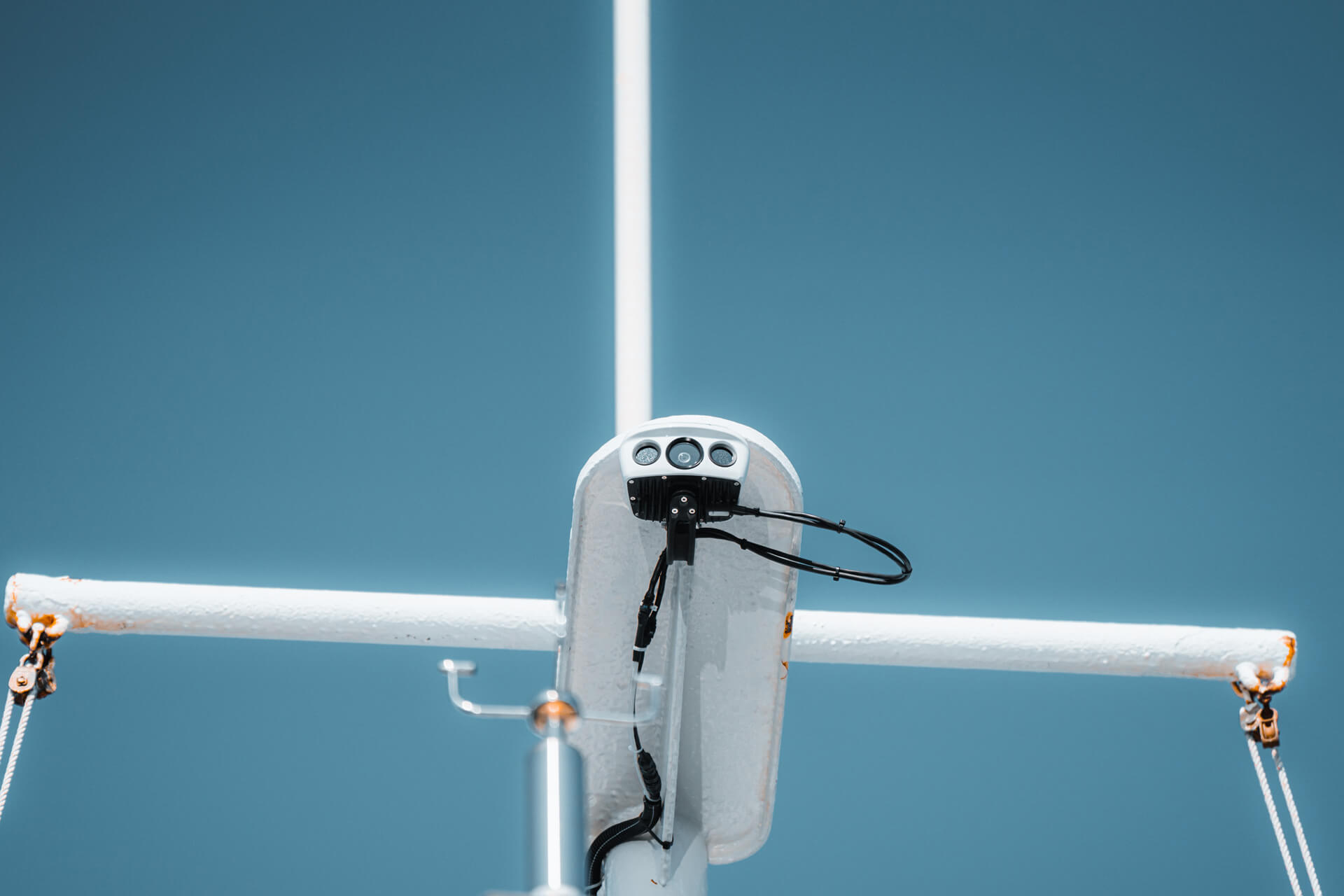
The teams of SEA.AI and Latitude Blanche will work together to collect data on the presence of icebergs and cetaceans, as well as meteorological and oceanic conditions. These data will then be used to improve SEA.AI’s floating object detection algorithms, making them more precise and efficient. SEA.AI utilizes advanced AI algorithms and models that have been pre-trained using a vast collection of annotated maritime images. This extensive dataset is essential for teaching the algorithms to accurately identify and classify various types of floating objects. By exposing the algorithms to diverse and high-quality data, they become proficient at recognizing and comprehending different objects and visual patterns. Consequently, a rich and varied database plays a crucial role in enhancing the precision and overall performance of SEA.AI’s AI system.
Navigating New Frontiers: Words from Both Parties
"We are delighted to collaborate with Latitude Blanche to enhance the AI of our systems. Polar waters are a challenging and less frequented environment, but through this collaboration, we will be able to collect valuable data to improve our technology and assist ships in navigating safely."
Tugdual Rio, Project and Test Engineer at SEA.AI
"We are pleased to be a partner with SEA.AI for this data acquisition campaign. We believe that this collaboration will lead to the development of innovative solutions to enhance ship and crew safety in polar waters."
Yann Le Bellec, President of Latitude Blanche
The collaboration between SEA.AI and Latitude Blanche highlights the significance of innovation and cooperation in enhancing maritime security and polar safety. The outcomes of this data acquisition campaign will be leveraged to augment SEA.AI’s floating object detection technology, thereby fortifying ship safety in polar waters. This partnership underscores the commitment to continuous improvement and the pursuit of advancements that ensure a safer maritime environment.